Hand Sewn Bags vs. Machine-Made Bags: What Changes in Daily Use
Choosing the right bag goes beyond appearance. The way it is stitched affects how it performs in everyday life, from how much weight it can carry to how comfortable it feels during regular use. When comparing hand-sewn bags vs. machine-made bags, even small differences in stitching, material handling, and structure can impact durability and long-term value.
A well-made bag should support your daily routine without adding strain. By understanding how each type is built, you can choose a bag that suits your needs, whether for work, travel, or everyday use, while also ensuring it lasts over time.
Key Takeaways
-
Stitching method affects durability, especially in high-stress areas like handles and straps.
-
Comfort depends on material, structure, and how the bag adapts over time.
-
Hand-sewn bags are often easier to repair and maintain long-term.
-
Machine-made bags offer consistency, affordability, and wider availability.
-
The right choice depends on how often and how heavily you use your bag.
Hand Sewn Bags
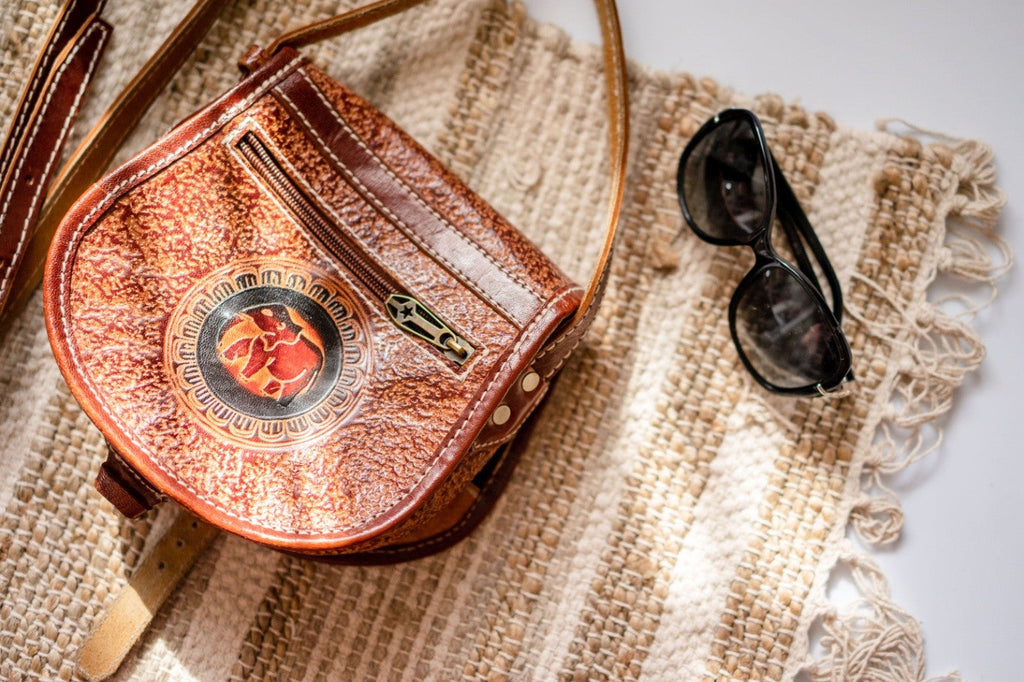
Hand-sewn bags are made using manual stitching techniques, with each stitch hand-placed. This method is commonly used in artisan handbags and high-quality, personalized handbags, where precision, durability, and craftsmanship are the focus.
These bags are often produced in smaller batches or made to order. Many makers who create hand-sewn bags focus on careful construction, allowing them to pay close attention to every detail. Techniques like saddle stitching are often used in leather bags, creating strong seams that hold well over time.
People choose hand-sewn bags not just for their function but also for the story behind them. Each piece reflects the maker’s skill, effort, and time, which becomes an important factor when comparing hand-sewn bags vs. machine-made bags.
Pros of Hand Sewn Bags
-
Strong attention to detail, as each stitch is carefully placed by hand.
-
More durable seams, especially in high-stress areas like handles and corners.
-
Longer lifespan when used and maintained properly.
-
Easier to repair due to visible and simple stitching.
-
Can be restitched or fixed without damaging the overall structure.
-
Good long-term value, especially for everyday use like a tote bag for work.
-
Unique appearance with slight variations in stitching and texture.
-
Develops character over time, especially in materials like leather.
Cons of Hand Sewn Bags
-
Higher cost due to time, skill, and labor involved.
-
Longer production time, especially for custom or made-to-order pieces.
-
Limited availability compared to mass-produced bags.
-
May not suit buyers who prefer perfectly uniform designs.
-
Requires regular care and maintenance depending on the material.
- Not always easily available in a standard handbag shop.
Machine-Made Bags
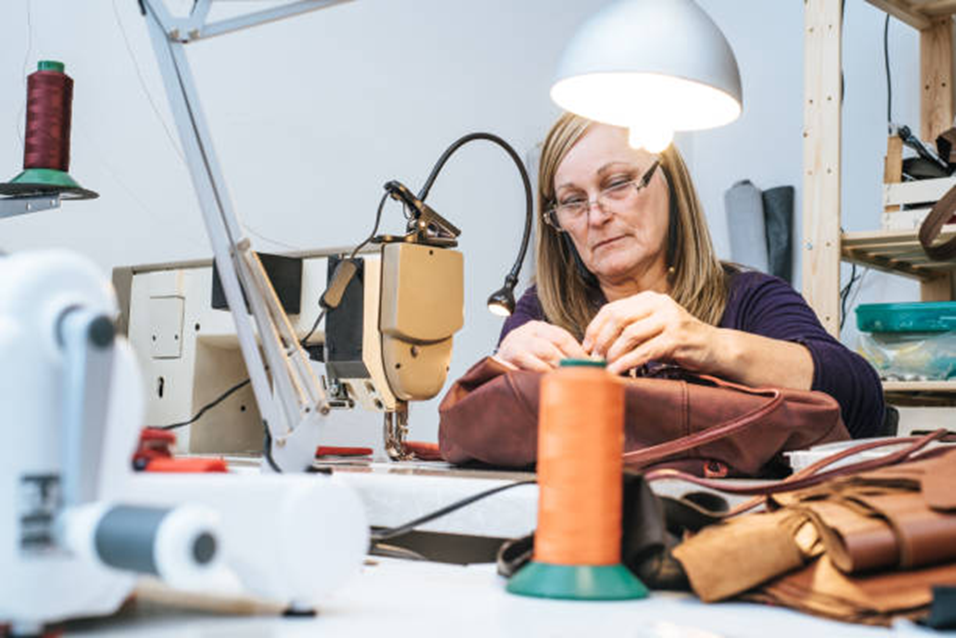
Machine-made bags are produced on sewing machines, enabling faster, more consistent production. This method is widely used for most retail bags, making them easily available in stores and online. When comparing hand-sewn bags vs. machine-made bags, this approach stands out for its efficiency and uniform results.
Machines can create precise, consistent stitches quickly, helping brands maintain the same sizing and design across large quantities. This makes machine-made bags a practical choice for everyday needs. While they may not have the detailed finish of artisan handbags, they are built to withstand regular use with ease.
From school backpacks to office carryalls, machine-made bags are designed to meet a wide range of needs, including options like a functional tote bag for work.
Pros of Machine-Made Bags
-
More affordable due to large-scale production.
-
Easily accessible to a wider range of buyers.
-
Available in a wide variety of styles, sizes, colors, and designs.
-
Often include practical features like padded compartments and water resistance.
-
Lightweight options available for everyday convenience.
-
Consistent quality and appearance across the same product line.
-
Ideal for those who prefer a clean and uniform look.
Cons of Machine-Made Bags
-
May lack the detailed craftsmanship seen in hand-sewn bags.
-
Less personal and unique in appearance.
-
Repairs can be difficult in complex designs with hidden seams or glued parts.
-
Lower-quality options may use weaker stitching or thinner materials.
-
Can wear out faster under heavy or frequent use.
- Build quality varies, so careful inspection is needed before purchase.
What Changes in Daily Use
Stitch Strength Shows Up Around Handles, Straps, and Corners
In daily use, the most stress is placed on handles, straps, and corners. These areas carry weight and experience constant movement. In hand-sewn bags vs. machine-made bags, stitching strength becomes noticeable.
Hand-sewn bags often perform well because each stitch is carefully placed, especially in high-pressure areas. Machine-made bags can also be strong, but this depends on reinforcement techniques like double stitching or bar tacks. Without proper reinforcement, seams may weaken faster, which is something buyers should check when shopping online or visiting a handbag shop.
The Bag’s Shape Changes Differently Over Time
As you use a bag daily, its shape begins to change. Hand-sewn bags, especially those made from natural materials like leather, tend to soften and adapt to your usage pattern. This creates a more relaxed and personalized look over time.
Machine-made bags often retain their original shape longer, particularly when made with synthetic materials or with structured designs. This is useful if you prefer a clean and consistent appearance over time.
Comfort Depends on Strap Design, Weight Balance, and Material Feel
Comfort is a key factor in daily use. It is influenced by strap width, padding, and how the bag distributes weight. While the stitching method matters, design plays a bigger role here.
Some bags, including thoughtfully made personalized handbags, are designed with better strap balance and flexibility, making them more comfortable during long hours of use. Machine-made bags often feature padded straps and ergonomic designs, which help carry heavier loads throughout the day.
Wear and Tear Appears in Different Places
Daily use causes wear in specific areas, such as edges, bottom corners, zippers, and handles. In hand-sewn bags, these areas may show gradual aging, especially in leather, which can develop a natural patina.
Machine-made bags may show wear through fraying, fading, or seam stress, depending on the material quality. Checking these areas before buying helps you choose a bag that can handle your routine, whether it is a factory-made piece or one of many artisan handbags.
Cleaning and Maintenance Depend More on Material Than Stitching
Care requirements depend mainly on the material. Leather bags may need conditioning, while fabric bags may require gentle cleaning.
Understanding the material helps you maintain the bag properly over time. Stitching type plays a smaller role in cleaning compared to material choice.
Conclusion
In the end, the choice between hand-sewn bags and machine-made bags depends on how you use your bag every day. If you value craftsmanship, long-term durability, and the ability to repair your bag over time, hand-sewn options can be a strong investment. On the other hand, if you prefer affordability, consistency, and easy availability, machine-made bags offer practical benefits.
What matters most is how well the bag supports your lifestyle. A good bag should feel comfortable, handle your daily load with ease, and remain reliable over time, no matter how it is made.
Explore the House of Versa collection of carefully crafted bags designed for everyday use, long-term comfort, and timeless style.
FAQs
1. How can I check if a bag is well-made before buying?
Look closely at the stitching, especially around handles and stress points. The stitches should be even and tight. Also, check the material quality, lining, and hardware, such as zippers and buckles.
2. Are custom leather bags better for long-term use?
Yes, they can be a good long-term option if made with quality materials. They usually last longer and can often be repaired instead of replaced.
3. Do machine-made bags last long?
They can last long if made from strong materials and properly reinforced. Always check the construction quality before buying.
4. Which type of bag is better for office use?
Structured machine-made bags are often preferred for office use, but well-designed handmade bags can also work if they offer proper shape and support.
5. Are locally made handbags worth buying?
They can be a good choice because they often show better attention to detail and support skilled makers. They may also offer unique designs.