Sustainable Handbags That Still Look Luxury: What Materials Hold Up Best
Can a handbag feel luxurious without relying on wasteful materials or short-lived trends?
That question is shaping how many women shop today. Sustainable handbags are no longer simple fabric totes or overly casual alternatives. The best ones now combine refined design, durable construction, and materials that can handle real daily use. But not every eco-conscious material performs the same.
If you want a bag that looks polished and lasts beyond one season, the material matters as much as the design. From responsibly sourced leather to cork, recycled nylon, and plant-based alternatives, choosing wisely helps you invest in style with purpose.
Key Takeaways
-
Sustainable handbags can look luxurious when made with strong materials and quality finishing.
-
Leather options are durable, repairable, and best for structured bags.
-
Cork, recycled nylon, and canvas are practical choices for lighter daily use.
-
Plant-based materials look modern, but quality depends on construction.
-
The best material depends on your lifestyle, care routine, and daily needs.
Sustainable Handbags Materials That Look Luxurious
Vegetable-Tanned Leather
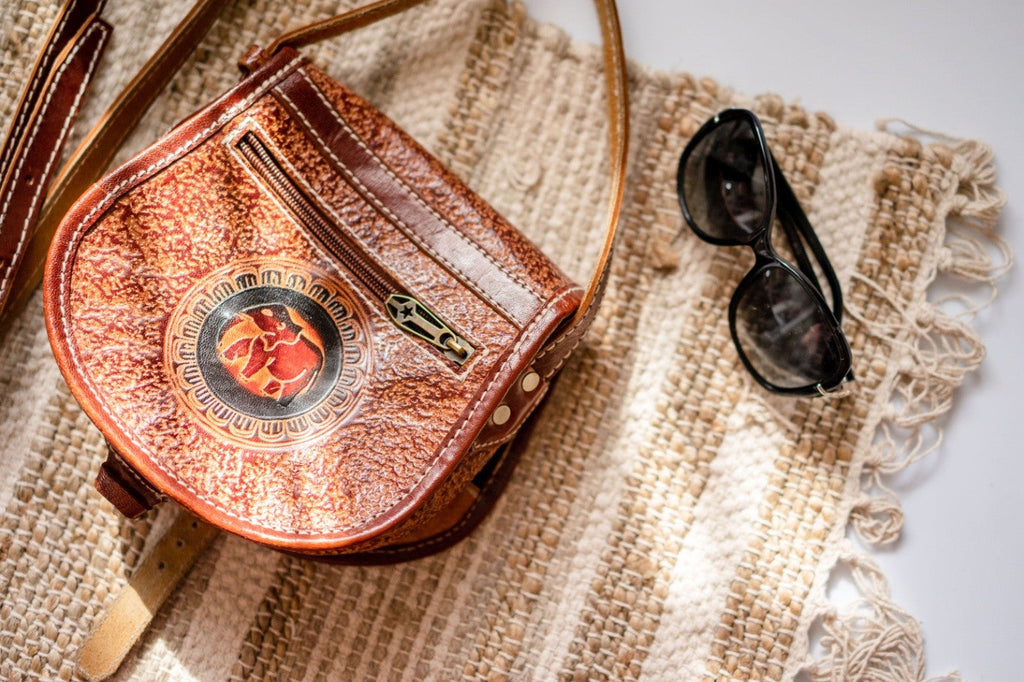
Vegetable-tanned leather is one of the strongest choices for shoppers who want a classic luxury look. It is made using tannins from natural sources such as bark, leaves, and other plant matter. This traditional process gives the leather a rich finish and natural character.
This material works well for structured totes, satchels, shoulder bags, crossbody bags, and custom leather bags. It has a firm feel and develops a patina over time. Instead of looking worn out, a well-cared-for vegetable-tanned leather bag often deepens in color and becomes more personal with age.
Why it Holds Up Well
- Strong and long-lasting.
- Easy to condition, clean, and restore.
- More repairable than many synthetic materials.
- Reduces the need for frequent replacement.
- Ideal for handcrafted handbags because it shapes and stitches well.
What to Consider
- Can react to water, sunlight, and oils.
- May darken naturally over time.
- Needs proper care to keep its finish.
- Choose a protected finish for better color stability.
- Ask a trusted handbag shop about care before buying.
Responsibly Sourced Leather
Leather can be sustainable when it is sourced carefully, made well, and used for a long-lasting product. Responsibly sourced leather is often associated with better tanning practices, traceability, and reduced waste.
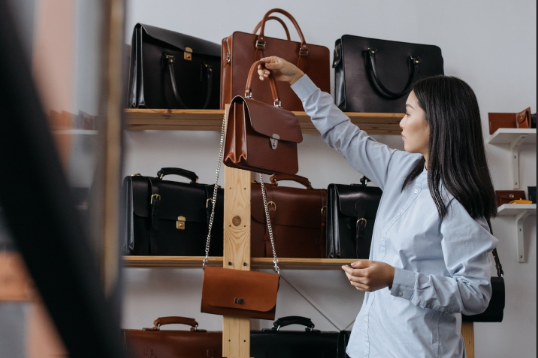
For people who want sustainable handbags with a polished, durable finish, high-quality leather remains one of the best-performing materials. It has structure, strength, and a timeless look that works for both casual and professional settings. It is also a strong material for custom leather bags because it allows buyers to choose a design that suits their routine and lasts longer.
Why it Holds Up Well
- Lasts for years with proper care.
- Resists daily wear well.
- Works best in structured handbag designs.
- Supports heavier bags, like totes and shoulder bags.
- Good for clean stitching, strong handles, and polished finishes.
What to Consider
- Leather quality can vary.
- Full-grain and top-grain leather are more durable.
- Bonded leather may peel or crack faster.
- Ask about the leather type, source, and care instructions before buying.
Recycled Leather
Recycled leather is made from leftover leather fibers, scraps, or waste material. It gives new use to material that might otherwise be discarded. This can make it a practical choice for shoppers who like the look of leather but want a lower-waste option for sustainable handbags.
Recycled leather often has a smooth, modern finish. It can work well for structured handbags, wallets, small crossbody bags, and accessories. Some locally made handbags also use recycled leather creatively, especially when makers work in small batches and want to reduce material waste.
Why It Holds Up Well
- Holds shape well with quality backing.
- Looks sleek with good finishing.
- Lighter than traditional leather.
- Practical for daily carry.
- Uses leftover material for a lower-waste option.
- Gives handcrafted handbags a polished look.
What to Consider
- Quality can vary by brand.
- Weak coating may crack or peel.
- Check the material blend before buying.
- Look for strong backing and clear care instructions.
- Choose reinforced stitching and strong lining for daily use.
Cork
Cork is a lightweight material made from the bark of cork oak trees. The tree does not need to be cut down to harvest the bark, making cork an appealing option for sustainable fashion.
Cork has a natural texture that gives handbags a unique look. It is especially good for people who want vegan, sustainable handbags that still feel stylish and refined. Its natural surface also works well for small handcrafted handbags where texture and individuality are part of the design.
Why it Holds Up Well
- Lightweight and flexible.
- Naturally water-resistant.
- Good for small everyday bags.
- Works well for crossbody bags, clutches, wallets, and travel pouches.
- Adds a unique texture without making the bag heavy.
- Useful for locally made limited-edition handbags.
What to Consider
- Not as heavy-duty as thick leather.
- Needs good backing and lining.
- Reinforced seams improve durability.
- Larger bags need strong handles and a sturdy base.
- Ask if the cork is fabric-backed.
- Check cleaning instructions before buying.
Recycled Nylon
Recycled nylon is a strong choice for those seeking a practical, modern handbag. It is often made from existing nylon waste, including fabric scraps or discarded materials. While it does not have the same classic look as leather, it can still feel luxurious when the design is clean and minimal.
This material is useful for travel bags, commuter totes, belt bags, backpacks, and casual everyday handbags. It is a smart option for sustainable handbags designed for busy routines, commuting, or frequent travel.
Why it Holds Up Well
- Lightweight and flexible.
- Easy to wipe clean.
- Handles movement and frequent use well.
- Performs better in weather than delicate materials.
- Practical for busy daily routines.
- Useful for functional bags with a lighter feel.
What to Consider
- Thin nylon can look too casual.
- Thicker, tightly woven nylon looks more polished.
- Look for quality zippers.
- Choose structured panels and neat stitching.
- Check that the hardware feels strong.
- Pick bags with strong seams and reinforced straps.
Organic Cotton Canvas
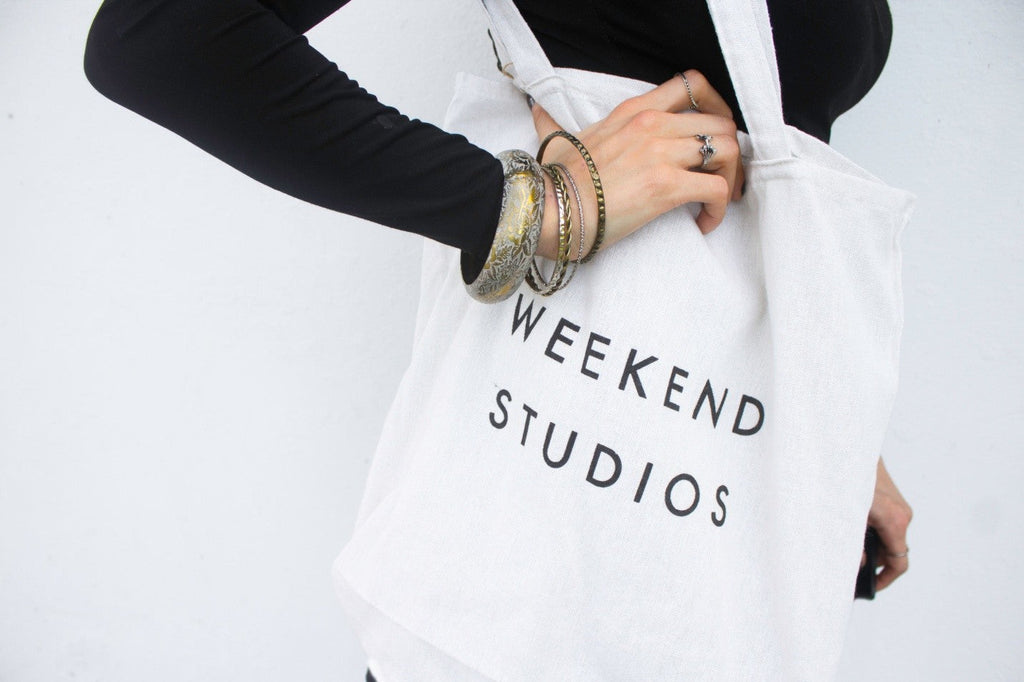
Organic cotton canvas is a natural, sturdy material often used for totes and casual handbags. It has a relaxed look, but it can still feel elevated when paired with good structure, leather trim, quality lining, or clean hardware.
Canvas is popular for locally made handbags because it is easy to sew, customize, and repair. It is also a good choice for shoppers who like a softer, more casual style. Brands focused on sustainable handbags can use organic cotton canvas for everyday designs.
Why it Holds Up Well
- Heavyweight canvas is durable.
- Good for errands, work bags, market totes, and travel carryalls.
- Easier to spot clean than delicate materials.
- Can be reinforced at handles, base, and corners.
- Works well for strong, handcrafted handbags.
What to Consider
- Canvas may stain over time.
- Lighter colors can fade more easily.
- Thicker canvas looks more refined.
- Darker shades are more practical for daily use.
- Choose structured shapes and reinforced handles.
- Check if the canvas is heavyweight, lined, or treated.
Plant-Based Leather Alternatives
Plant-based leather alternatives are growing in popularity. These materials may use pineapple leaves, apple waste, grape waste, cactus, or other plant fibers. They are often chosen by shoppers who want vegan, sustainable handbags with a more innovative feel.
These materials can look modern and stylish, especially in smaller handbags, clutches, and fashion-forward crossbody styles. They can also be used in handcrafted handbags when makers want to create unique pieces with newer material options.
Why They Hold Up Well
- Offers good structure in some designs.
- Have a unique surface texture.
- Create a polished, modern look.
- Good for shoppers who want non-leather options.
- Add variety beyond common handbag materials.
What to Consider
- Durability depends on coating, backing, and construction.
- Some are blended with synthetic materials for strength.
- Quality can vary by brand and material type.
- Check the brand’s care instructions.
- Do not expect every plant-based bag to perform like leather
Which Material is Best for Your Lifestyle?
The best material depends on how you use your bag.
-
For a polished work bag, choose vegetable-tanned leather, responsibly sourced leather, or a structured recycled leather design.
-
For a vegan handbag, cork or plant-based alternatives can be stylish and thoughtful choices.
-
For travel or commuting, recycled nylon is practical because it is lightweight and easy to clean.
-
For casual everyday use, organic cotton canvas is comfortable, useful, and often easier to maintain.
-
For a personal investment piece, custom leather bags or handcrafted handbags may offer the best mix of quality, style, and long-term value.
Conclusion
Sustainable style works best when it feels natural in your life. The right handbag should look beautiful, support your routine, and last beyond one season. Materials like vegetable-tanned leather, responsibly sourced leather, cork, recycled nylon, recycled leather, organic canvas, and plant-based alternatives each offer different strengths.
The best choice is the one that matches your lifestyle, your values, and your taste. When you choose carefully, sustainable handbags can feel just as refined as traditional luxury bags while giving you more meaning behind what you carry every day. Shop House of Versa for stylish handbags made for everyday elegance.
FAQs
1. What is the longest-lasting sustainable handbag material?
High-quality leather, especially full-grain or vegetable-tanned leather, is usually one of the longest-lasting options when properly cared for.
2. What material is best for a work handbag?
Leather, recycled leather, and structured recycled nylon are good options for work because they hold shape well and can handle daily use.
3. How can I make a sustainable handbag last longer?
Store it properly, avoid overloading it, clean it based on the material, protect it from excess moisture, and repair small issues early.
4. Are locally made handbags of better quality?
They can be, especially when made by skilled makers with careful material selection. They may also offer better transparency and easier repair options.
5. Can sustainable handbags still look elegant?
Yes. A clean shape, quality hardware, strong stitching, and the right material can make a sustainable handbag look polished and luxury-inspired.